
Screened In Porch vs Sunroom: Which Is Right for You?
Thinking about expanding your outdoor living space? The screened in porch vs sunroom decision comes down to three things: your budget, how often you’ll use it, and whether you want year-round comfort or seasonal flexibility.
Here’s the honest take: a screened porch is cheaper and lower maintenance, but a sunroom gives you way more usable months and adds serious value to your home. Let’s walk through both so you can figure out which one actually makes sense for your situation.
Screened Porch vs Sunroom: The Core Difference
A screened porch is basically your existing porch wrapped in screens and a roof. You get bug protection and a little shade, but no heat or air conditioning. It’s passive cooling only.
A sunroom is more like an indoor room that happens to have a lot of windows. It has a solid roof, insulated walls, real windows (not screens), and climate control. You’re adding an actual conditioned space to your home.
The difference matters because it changes everything about cost, comfort, and long-term value. PinIt Properties and Construction, LLC builds both types regularly in the Kansas City area, and the choice really depends on your lifestyle and budget.
Cost: Screened Porches Are Way Cheaper Upfront
Let’s start with the money part because it matters.
A screened porch typically runs $3,000 to $8,000 depending on size and materials. You’re buying screening material, posts, a roof, and some basic framing. Pretty straightforward. No HVAC, no electrical upgrades beyond maybe a ceiling fan.
A sunroom costs $10,000 to $25,000 or more. You’re building a real room with insulation, drywall, windows, doors, electrical, and climate control. It’s a much bigger investment.
But here’s the catch: that lower screened porch cost means you’re limited to maybe 5-6 months of actual use in Kansas City. A sunroom? You’re using it 12 months a year, which spreads that cost out over way more days of enjoyment.
Year-Round Comfort and Seasonal Use
In the Kansas City metro area, this is huge.
A screened porch is phenomenal from May through September. Bug-free outdoor time, gentle breeze, great for morning coffee or evening hangs. But come October? You’re done. It gets cold, and you can’t regulate temperature.
A sunroom works year-round. Winter mornings in a warm, bright space. Summer days where you can still enjoy natural light without the scorching heat. You’re basically adding an extra room to your home that you can use every single day.
That said, sunrooms do require real heating and cooling, which brings us to operating costs.
Energy Costs and Efficiency
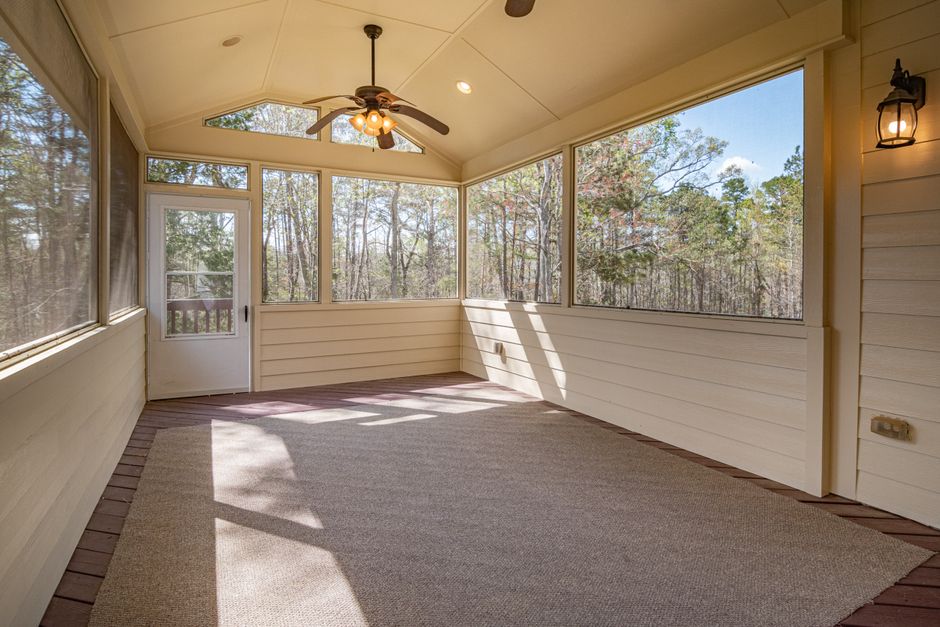
Screened porches have zero energy bills. No AC, no heat, no systems to run. You’re just getting passive ventilation.
Sunrooms will increase your heating and cooling costs because you’re conditioning another space. How much depends on insulation quality, window type, and climate control setup. A well-designed sunroom minimizes that hit, but it’s still something to budget for year after year.
If you live in a high-sun area like a west-facing lot, a screened porch might actually work better for you because it keeps heat out naturally. A sunroom in that same spot would work fine too, but you’d want high-performance windows to manage the sun and keep energy bills reasonable.
Maintenance: Screened Porches Win
Screened porches need minimal maintenance. You might replace screens every 10-15 years if they get damaged. That’s about it. Low-stress ownership.
Sunrooms demand more attention. You’ve got windows to clean, seals to inspect, HVAC systems to maintain, and drywall to potentially repaint. Nothing complicated, but it’s more ongoing care than a screened porch requires.
Think of it this way: screens are cheap and simple. Real windows, insulation, and mechanical systems are more complex. Plan accordingly.
Permits and Building Regulations
Here’s where things get boring but important.
Screened porches sometimes require a permit, sometimes don’t, depending on your city. In some Kansas City suburbs, if you’re adding screens to an existing covered porch, you might skip permitting entirely. In others, you need approval. Check with your local building department first.
Sunrooms almost always require full building permits and inspections. They’re considered additions to your home, so you need electrical inspections, structural review, and sign-off. This adds a few weeks to your timeline and some cost to the project.
It sounds annoying, but those permits exist to make sure the work is safe and done right. When you work with experienced builders like PinIt Properties and Construction, LLC, the permitting process is handled smoothly as part of the project.
Home Value and Resale Appeal

Sunrooms typically add more resale value than screened porches because they’re year-round living space. Buyers see an actual bonus room, not seasonal luxury.
Screened porches add appeal too, especially if you’re marketing to families with kids. But they don’t add as much dollar-for-dollar because their usefulness is limited to certain months.
If you’re thinking about selling in 5-10 years, a sunroom is the better investment. If you just want to enjoy your home more right now, either one works.
Which One Is Right for You?
Pick a screened porch if:
- You want to spend less upfront (under $10k)
- You mostly use outdoor space spring through fall
- You don’t want energy bills or mechanical systems
- You love fresh air and breeze, not climate control
- Your lot gets blasted by sun and you want passive cooling
Pick a sunroom if:
- You want year-round usable space
- You’re willing to invest more (expect $15k+)
- You want to add real home value for resale
- You live in Kansas City where winters matter
- You want a comfortable extension of your indoor living area
Honestly, the best move is to talk through your specific situation with someone who builds these regularly. Every home, lot, and family is different. If you’re leaning toward either option and want to explore what makes sense for your space, PinIt Properties and Construction, LLC specializes in both screened porches and sunrooms throughout the Kansas City metro area and can walk you through the real costs and timelines for your home.
Questions to Ask Yourself Before You Decide
Before you commit, sit with these for a few days:
- How many months per year do I actually want to use this space?
- What’s my realistic budget with a little buffer?
- Do I care about resale value or am I just living here?
- Am I okay with higher utility bills if it means more comfort?
- Is my lot mostly shaded or in full sun?
Your answers will make the choice obvious pretty quickly. And if you’re still torn, that’s what contractors are for. Getting a free consultation to see actual options for your home beats guessing.
Next Steps: Bringing Your Vision to Life
Once you’ve decided between screened and sunroom, the real work begins. You need a builder who understands your space, your timeline, and your budget. Someone who communicates clearly and doesn’t cut corners on quality.
The team at PinIt Properties and Construction, LLC has been designing and building custom outdoor living spaces in Kansas City for years. We handle everything from initial design through final inspection, and we’re transparent about costs and timelines from day one. If you’re ready to start planning, that’s exactly what we do.
How long does it take to build a screened porch?
A screened porch typically takes 3-6 weeks from permit approval to completion, depending on complexity and weather. Sunrooms usually take 8-12 weeks because there’s more structural and mechanical work involved.
Do screened porches require permits in Kansas City?
It depends on your specific city and whether you’re adding screens to an existing structure or building new. Check with your local building department. Some jurisdictions require permits for any roof addition, while others skip it for screen enclosures. Always confirm before starting work.
Can I convert a screened porch to a sunroom later?
Yes, but it’s not always straightforward. If your screened porch has a solid roof and decent foundation, conversion is possible. You’d be adding insulation, windows, drywall, and climate control to the existing frame. It’s cheaper than building new but still a solid investment. Talk to a contractor about your specific setup.
What’s the difference between a sunroom and a four-season room?
They’re basically the same thing. A four-season room is a marketing term that emphasizes year-round usability. It’s still a sunroom with insulation, windows, and climate control. Make sure whoever you hire is building it with proper insulation and HVAC capacity for winter heating if you live in Kansas City.